
 Get a Quote

 Send Inquiry
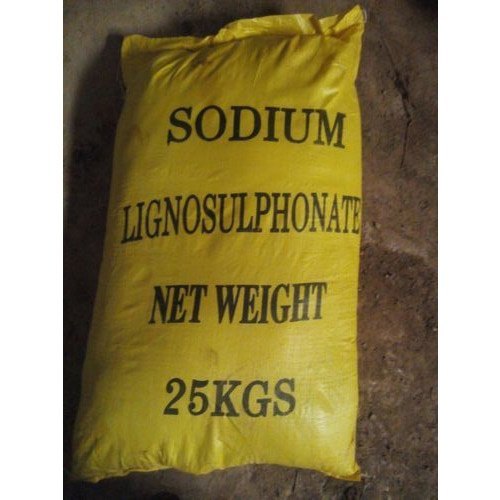
Sodium Ligno Sulphonate
Price 30 INR/ Kilograms
MOQ : 200 Kilograms
Sodium Ligno Sulphonate Specification
- Taste
- Slightly bitter
- HS Code
- 38040000
- Boiling point
- Not applicable (decomposes)
- Ph Level
- 7-9
- Structural Formula
- Complex polymer structure; mainly sodium salt of sulfated lignin polymer
- Shape
- Powder or granular
- Solubility
- Easily soluble in water
- Density
- 0.6 Gram per cubic centimeter(g/cm3)
- Storage
- Store in cool, dry place, protected from moisture
- Melting Point
- Decomposes before melting
- Molecular Formula
- C20H24Na2O10S2 (approximate)
- Purity
- 93% Min
- Poisonous
- No
- Smell
- Mild, wood-like
- Form
- Powder
- Molecular Weight
- 534.51 g/mol (approximate) Grams (g)
- Other Names
- Lignosulfonic acid, sodium salt
- Classification
- Chemical Additive / Surfactant
- Chemical Name
- Sodium lignosulphonate
- CAS No
- 8061-51-6
- EINECS No
- 232-635-4
- Grade
- Industrial Grade
- Standard
- GB/T 22627-2008
- Type
- Anionic surfactant
- Usage
- Industrial, Construction, Agriculture
- Main Material
- Lignin Sulphonate
- Application
- Other
- Hazard Class
- Not classified as hazardous
- Reducing Matter
- 8.0%
- Content of Dry Matter
- 93% min
- Environmental Impact
- Biodegradable
- Compatibility
- Compatible with most cement and chemical admixtures
- Sodium Sulphate Content
- 4.0% max
- pH (10% solution)
- 7.0 9.0
- Thermal Stability
- Stable under recommended storage conditions
- Shelf Life
- 2 years
- Water Insoluble Matter
- 1.5%
- Color
- Light brown to dark brown
- Packing
- 25kg/bag or customized packaging
- Surface Charge
- Anionic
Sodium Ligno Sulphonate Trade Information
- Minimum Order Quantity
- 200 Kilograms
- Supply Ability
- 10000 Kilograms Per Day
- Delivery Time
- 1 Days
Sodium Ligno Sulphonate About
Specification
|
Characteristics |
Data |
|
Outward Appearance |
Powder |
|
Color |
Light yellow |
|
Active Substance % not less |
58.0 |
|
Mass Fraction of dry Substance % not less |
92.0 |
|
Hydrogen ion value -Ph. not less |
4.6 |
|
Limit of durable of dried up sample by the stretching , MPa not less |
0.6 |
|
Mass Fraction of ash to dry Substance not more |
25.0 |
Product details
|
Form |
Powder |
|
Pack Type |
Bag |
|
Pack Size |
25 kg |
|
Usage |
Ceramic Use,Agro,Construction Chemical |
Key Applications Across Industries
Sodium Ligno Sulphonate is widely utilized as a water reducer in concrete admixtures, acting as a dispersant in dyes and pesticides, a binder in ceramics production, and as an additive in animal feed. Its strong anionic nature and compatibility with other chemicals make it invaluable in industrial, construction, and agricultural processes, promoting product integrity and process efficiency.
Environmental Advantage and Safety Profile
Biodegradable and not classified as hazardous, Sodium Ligno Sulphonate is a safe choice for large-scale industrial use. It maintains stability under recommended storage conditions and decomposes before melting, making handling and storage straightforward. Its non-toxic profile ensures minimal environmental impact during use or disposal.
Storage and Handling Recommendations
To preserve quality, Sodium Ligno Sulphonate should be stored in a cool, dry place and protected from moisture. With a shelf life of up to 2 years, proper storage ensures its effectiveness as a chemical additive or surfactant. Available in various packaging options, it can be tailored to meet diverse shipping and storage needs for exporters, importers, suppliers, and manufacturers.
FAQs of Sodium Ligno sulphonate:
Q: How is Sodium Ligno Sulphonate typically used in construction applications?
A: In construction, Sodium Ligno Sulphonate functions as a water-reducing agent in concrete admixtures. It enhances workability and durability by dispersing cement particles, resulting in stronger and more uniform concrete structures.Q: What are the main benefits of using Sodium Ligno Sulphonate in industrial processes?
A: Benefits include efficient dispersion, binding capacity, improved product flow, solubility in water, and compatibility with a variety of chemical admixtures. Additionally, its biodegradable and non-hazardous, which minimizes environmental and safety concerns.Q: When should Sodium Ligno Sulphonate be used for optimal results?
A: For optimal performance, use Sodium Ligno Sulphonate during initial mixing phaseswhether in concrete production, ceramic binding, dye formulation, or pesticide dispersion. This ensures even distribution and maximized efficiency.Q: Where can Sodium Ligno Sulphonate be sourced, and who typically supplies it?
A: Traders, exporters, importers, wholesalers, and manufacturers in India commonly supply Sodium Ligno Sulphonate, offering it under various packaging sizes, including 25kg bags and customized bulk options.Q: What is the recommended process for storing Sodium Ligno Sulphonate?
A: Store the product in a cool, dry environment, shielded from moisture. Proper storage conditions support its 2-year shelf life and maintain product efficacy and stability.Q: Is Sodium Ligno Sulphonate compatible with other chemical additives?
A: Yes, it is compatible with most cement and chemical admixtures, facilitating its incorporation into diverse industrial and agricultural formulations without adverse reactions.Q: What environmental and safety benefits does Sodium Ligno Sulphonate offer?
A: Sodium Ligno Sulphonate is biodegradable, not classified as hazardous or poisonous, and poses minimal risk to health and the environment, making it a sustainable choice for large-scale industrial and agricultural applications.Technical Details 
Tell us about your requirement

Price:
Quantity
Select Unit
- 50
- 100
- 200
- 250
- 500
- 1000+
Additional detail
Mobile number
Email

More Products in Ceramic Chemical Category
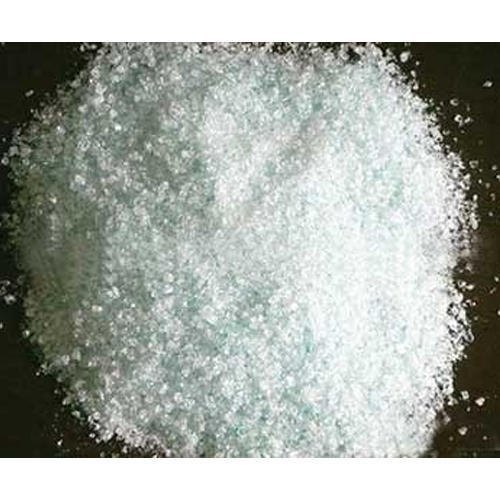
Sodium Silicate
Minimum Order Quantity : 200 Kilograms
Usage : Industrial
Form : Other, Solution, Solid
Melting Point : 1088C
CAS No : 1344098
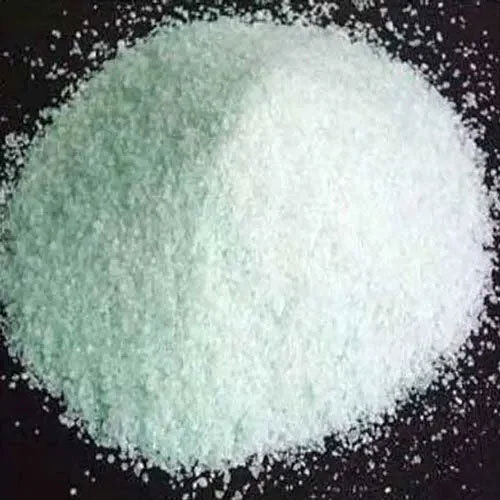
BaCO3 Barium Carbonate Powder
Price 48 INR / Kilograms
Minimum Order Quantity : 200 Kilograms
Usage : Industrial
Form : Powder
Melting Point : 1575 C
CAS No : 7704349

2500Kg Borax Pentahydrate
Price 72 INR / Kilograms
Minimum Order Quantity : 200 Kilograms
Usage : Used In Chemical Industry
Form : Powder
Melting Point : 1575 C
CAS No : 121790403
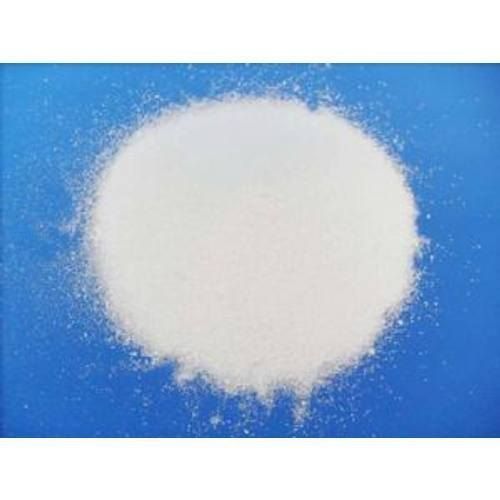
Sodium Meta Silicate
Price 28 INR / Kilograms
Minimum Order Quantity : 200 Kilograms
Usage : Industrial
Form : Powder
Melting Point : 1575 C
CAS No : 7704349

Contact Details
- 212, K10 GRAND, B/H Atlantis K10, Sarabhai Campus Genda Circle, Alkapuri Road,Vadodara - 390007, Gujarat, India
- Phone : 08045804226
- Mr Sanjay Rupala (Proprietor)
- Mobile : 08045804226
- Send Inquiry
SGS CHEMICALS
GST : 24AVNPR8300A1ZT
GST : 24AVNPR8300A1ZT
 Send Inquiry
|

 Send Inquiry
 Send SMS
 Call Me Free
SGS CHEMICALS
All Rights Reserved.(Terms of Use)
Developed and Managed by Infocom Network Private Limited.
Developed and Managed by Infocom Network Private Limited.


 English
 Spanish
 French
 German
 Italian
 Chinese (Simplified)
 Japanese
 Korean
 Arabic
 Portuguese