
 Get a Quote

 Send Inquiry
STPP Sodium Trippolyphosphate Technical Grade
Price 80 INR/ Kilograms
MOQ : 200 Kilograms
STPP Sodium Trippolyphosphate Technical Grade Specification
- Shelf Life
- 24 Months
- Purity
- >94%
- Properties
- High hygroscopicity, alkaline nature, capable of chelating metal ions, emulsifying and dispersing ability
- Product Type
- Inorganic Chemical Compound
- Grade
- Technical Grade
- Ingredients
- Sodium Trippolyphosphate
- Physical Form
- Other
- Solubility
- Easily soluble in water
- Application
- Water treatment, detergents, ceramics, textile dyeing, leather tanning, food processing
- Molecular Formula
- Na5P3O10
- EINECS No
- 231-838-7
- Usage
- Used for water softening, as dispersing agent, emulsifier, sequestrant
- Melting Point
- >622C
- Refractive Rate
- 1.482
- Storage
- Store in cool, dry, ventilated area
- Molecular Weight
- 367.86 g/mol Grams (g)
- Taste
- Tasteless
- Ph Level
- 9.2 10.0 (1% solution)
- Density
- 2.52 Gram per cubic centimeter(g/cm3)
- CAS No
- 7758-29-4
- HS Code
- 28352990
- Appearance
- White Crystalline Powder
- Smell
- Odorless
- Shape
- Granular/Powder
- Structural Formula
- (NaPO3)3Na2
- Packing
- 25 kg/50 kg bags with inner liner
- Moisture Content
- 1.0%
- pH of 1% Solution
- 9.2 10.0
- Compatibility
- Compatible with most detergent constituents
- Particle Size
- <40 mesh (customizable)
- Bulk Density
- 0.7-1.1 g/ml
- Iron Content (Fe)
- <0.025%
- Hazard Identification
- Non-hazardous as per GHS classification
- Heavy Metals Content
- <0.001%
- Loss On Drying
- <1.0%
STPP Sodium Trippolyphosphate Technical Grade Trade Information
- Minimum Order Quantity
- 200 Kilograms
- Supply Ability
- 10000 Kilograms Per Day
- Delivery Time
- 1 Days
About STPP Sodium Trippolyphosphate Technical Grade
A stpp sodium trippolyphosphate technical grade is mainly used as an auxiliary agent for synthetic detergents, used in soap synergists and to prevent the precipitation and blooming of bar soap oil. It has a strong emulsification effect on lubricating oil and fat and can be used to adjust the pH of the buffer soap. The offered stpp sodium trippolyphosphate technical grade is very efficient and made for use in the various industries and commercial applications. It is very effective.
Key Attributes and Compliance
Sodium Trippolyphosphate technical grade boasts a purity greater than 94% and is available as a white crystalline powder or granule. It is non-hazardous, tasteless, and odorless, with a melting point above 622C. Adhering to stringent quality benchmarks, it contains minimal heavy metals and iron content, making it ideal for high-standard industrial applications.
Versatile Industrial Applications
STPP finds extensive utility in water treatment, detergent manufacturing, ceramics, textile dyeing, leather tanning, and food processing. Its remarkable capacity for water softening, dispersion, and emulsification enhances operational efficiency in these sectors. Its chemical compatibility ensures seamless integration into complex formulations and manufacturing workflows.
Handling, Storage, and Packaging
Supplied in secure 25 kg or 50 kg bags with an inner liner, this product maintains optimal quality during transport and storage. Store STPP in a cool, dry, well-ventilated environment to preserve its effectiveness for up to 24 months. Its customizable particle size fits diverse processing and performance needs.
FAQs of stpp sodium trippolyphosphate technical grade:
Q: How should STPP (Sodium Trippolyphosphate) technical grade be stored to maintain its quality?
A: STPP should be stored in a cool, dry, and well-ventilated area, away from moisture and direct sunlight. Keeping it in its original, tightly sealed packaging with an inner liner helps prevent clumping and preserves its performance for up to 24 months.Q: What are the primary benefits of using technical grade STPP in industrial processes?
A: Technical grade STPP offers excellent water softening, chelating, dispersing, and emulsifying properties. Its high purity and compatibility with most detergent constituents make it a valuable ingredient for improving efficiency and effectiveness in water treatment, detergents, ceramics, textiles, and more.Q: Where is sodium trippolyphosphate commonly applied in industry?
A: This compound is widely employed in water treatment plants, detergent and cleaning product manufacturing, ceramic and tile processing, textile dyeing, leather tanning, and even food processing. Its alkalinity and performance as a sequestrant and dispersant suit these applications well.Q: When customizing particle size for STPP, what are typical options available?
A: STPP can be supplied in various particle sizes, with standard options being less than 40 mesh. Particle size can be adjusted according to specific process requirementsfiner powders for rapid dissolution or coarser granules for controlled release.Q: What is the process for utilizing STPP as a water softener or dispersing agent?
A: STPP is typically added directly to water or formulations. Its strong chelating ability binds metal ions, preventing scale, and its dispersion action ensures even distribution of ingredients, especially in cleaning products and industrial water treatment systems.Q: Is STPP technical grade safe to handle, and does it require any special hazard precautions?
A: STPP technical grade is classified as non-hazardous and non-poisonous according to GHS standards. It possesses no significant odor or taste and does not require special hazard precautions beyond standard industrial hygiene practices, such as wearing gloves and avoiding dust inhalation.Q: How does the alkaline nature and high hygroscopicity of STPP benefit detergent formulations?
A: The alkaline pH of STPP (9.210.0) helps boost cleaning efficiency by neutralizing acids and saponifying fats, while its high hygroscopicity ensures effective absorption and dispersion of water. These properties contribute to brighter, cleaner results in detergent applications.Technical Details 

Tell us about your requirement

Price:
Quantity
Select Unit
- 50
- 100
- 200
- 250
- 500
- 1000+
Additional detail
Mobile number
Email

More Products in Chemical Compound Category
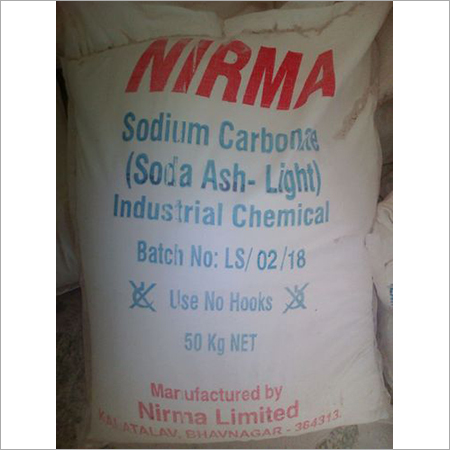
Soda Ash Nirma
Price 27 INR / Kilograms
Minimum Order Quantity : 200 Kilograms
CAS No : 497198
Storage : Other, Keep in dry, cool place, tightly sealed
Solubility : Soluble in water
Application : Other , Detergent manufacturing, glass industry, water treatment
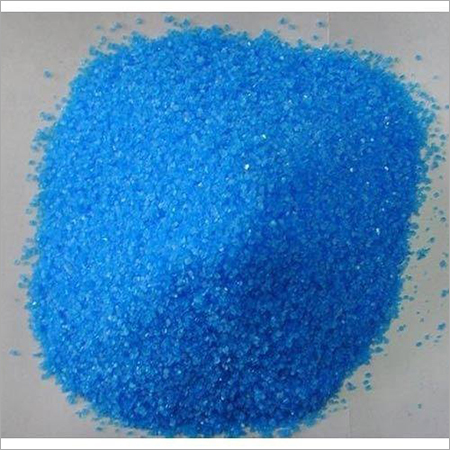
Copper Sulphate
Price 210 INR / Kilograms
Minimum Order Quantity : 200 Kilograms
CAS No : 7758998
Storage : Other, Store in cool, dry, wellventilated area; tightly closed packaging
Solubility : 31.6 g/100ml (water at 20C)
Application : Other , Agriculture, Laboratory, Electroplating, Fungicide
Sodium Metasilicate Powder
Price 35 INR / Kilograms
Minimum Order Quantity : 200 Kilograms
CAS No : 6834920
Storage : Other, Store in a dry, cool, wellventilated place, avoid moisture
Solubility : Completely soluble in water
Application : Other , Water treatment, detergents, soap, textile processing, ceramics, adhesive
Benzyl Chloride
Minimum Order Quantity : 200 Kilograms
CAS No : 100447
Storage : Other, Store in cool, dry, and wellventilated place, away from heat/ignition sources. Keep tightly closed in a dry and cool place.
Solubility : Insoluble in water, soluble in organic solvents like ether and alcohol
Application : Other , Intermediate for dyes, synthetic tannins, benzyl alcohol, pharmaceuticals, and resins

Contact Details
- 212, K10 GRAND, B/H Atlantis K10, Sarabhai Campus Genda Circle, Alkapuri Road,Vadodara - 390007, Gujarat, India
- Phone : 07971549223
- Mr Sanjay Rupala (Proprietor)
- Mobile : 07971549223
- Send Inquiry
SGS CHEMICALS
GST : 24AVNPR8300A1ZT
GST : 24AVNPR8300A1ZT
 Send Inquiry
|

 Send Inquiry
 Send SMS
SGS CHEMICALS
All Rights Reserved.(Terms of Use)
Developed and Managed by Infocom Network Private Limited.
Developed and Managed by Infocom Network Private Limited.


 English
 Spanish
 French
 German
 Italian
 Chinese (Simplified)
 Japanese
 Korean
 Arabic
 Portuguese