
 Get a Quote
 Send Inquiry
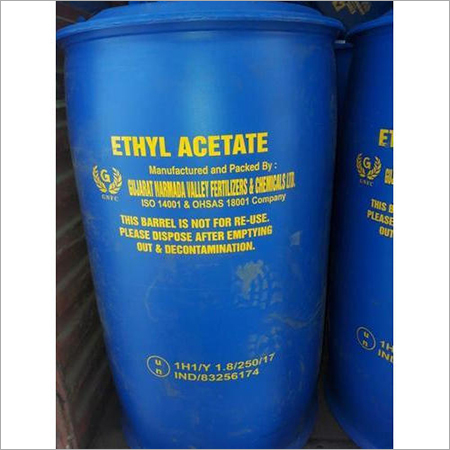
Ethyl Acetate
Price 75 INR/ Kilograms
MOQ : 200 Kilograms
Ethyl Acetate Specification
- Molecular Formula
- C4H8O2
- Application
- Used as a solvent in paints, coatings, adhesives, inks, pharmaceuticals, and food industries.
- Appearance
- Colorless, transparent liquid
- Molecular Weight
- 88.11 g/mol Grams (g)
- Purity
- >= 99.5%
- CAS No
- 141-78-6
- Structural Formula
- CH3COOC2H5
- Properties
- Colorless liquid with a characteristic sweet smell; volatile; flammable; miscible with most organic solvents.
- EINECS No
- 205-500-4
- Density
- 0.897 Gram per cubic centimeter(g/cm3)
- Melting Point
- -83.6C
- Refractive Rate
- 1.372 at 20C
- Solubility
- Slightly soluble in water; miscible with alcohol, ether, and chloroform.
- Product Type
- Industrial
- Shelf Life
- 1 year under recommended storage conditions. Years
- Grade
- Industrial Grade
- Usage
- Industrial solvent, extraction processes, flavoring additive.
- Shape
- Liquid
- Ph Level
- Neutral (6-8)
- Taste
- Sweet, fruity
- Storage
- Store in tightly closed containers in a cool, dry, well-ventilated area away from direct sunlight and ignition sources.
- Physical Form
- Liquid
- Smell
- Sweet, pungent odor
- Ingredients
- Ethyl Acetate
- HS Code
- 2915 31 00
- Packaging Details
- Available in 180 kg drums, bulk tankers, and IBC containers
- Viscosity
- 0.45 mPas at 20C
- Boiling Point
- 77.1C
- Odor Threshold
- 0.83 ppm
- UN Number
- 1173
- Explosive Limit
- Lower: 2.1% Upper: 11.5% (by volume in air)
- Stability
- Stable under normal storage conditions
- Flash Point
- -4C (closed cup)
- Environmental Impact
- Readily biodegradable, but flammable and should not be released to the environment
- Hazard Class
- 3 (Flammable Liquid)
- Auto Ignition Temperature
- 460C
- Vapor Pressure
- 73 mmHg at 20C
- EC Number
- 205-500-4
Ethyl Acetate Trade Information
- Minimum Order Quantity
- 200 Kilograms
- Supply Ability
- 10000 Kilograms Per Day
- Delivery Time
- 1 Days
Ethyl Acetate About
Specification
| Test | Visual | Specification | Result |
| Appearance | ASTM D3545-06 | Clear | Clear |
| Purity As Ethyl Acetate | ASTM E1064-12 | 99.9min | 99.95 |
| Water Content | ASTM D1209(2011) | 500 max | < 50 |
| Colour In Apha | ASTM D1613-06 | 10 max | < 5 |
| Acidity As Acetic Acid | ASTM D3545-06 | 100 max | 32 |
| Ethyl Alcohol | -- | 750 max | 263 |
| Specific Gravity At 20deg C | -- | 0.890-0.903 | 0.9 |
| Dist Range-Ibp Deg.C | -- 76.0min | 76.0min | 77.2 |
| Dist Range-Fbp Deg.C | ASTM D1353-09 | 78.5 max | 78 |
| Residue On Evaporation Mg/100ml | | 20 max | < 10 |
Product details
| Brand | GNFC |
| Purity % | >99% |
| Purity | 99.9 % |
| Grade | Technical |
| Packaging Details | 210 kg |
| Grade Standard | Industrial Grade |
Technical Details
Versatile Solvent for Industrial Applications
Ethyl Acetate is widely used as a solvent in industries ranging from paints and coatings to pharmaceuticals and food processing. Its ability to dissolve a variety of substances efficiently makes it an essential choice for extraction, formulation, and cleaning tasks, enhancing process speed and product quality.
Safe Handling and Storage Recommendations
Due to its volatility and low flash point, Ethyl Acetate should be kept in tightly closed containers in cool, dry, and well-ventilated areas, away from direct sunlight and ignition sources. Following recommended practices ensures a safe workplace and preserves product integrity during its 1-year shelf life.
Eco-Friendly and Responsible Usage
While Ethyl Acetate is readily biodegradable, its flammability means that environmental and health safety protocols are critical. Avoid releasing it into the environment, and use protective gear to minimize exposure. Proper handling supports both workplace safety and environmental stewardship.
FAQs of Ethyl Acetate:
Q: How should Ethyl Acetate be stored to ensure safety and maintain its stability?
A: Store Ethyl Acetate in tightly closed containers, in a cool, dry, and well-ventilated area, keeping it away from direct sunlight, ignition sources, and incompatible materials. Following these guidelines helps maintain its stability and maximizes its 1-year shelf life.Q: What are the primary industrial applications of Ethyl Acetate?
A: Ethyl Acetate is primarily used as a solvent in the manufacturing of paints, coatings, adhesives, inks, pharmaceuticals, and food flavors. It is also valued for its role in extraction processes due to its high volatility and miscibility with many organic compounds.Q: When is Ethyl Acetate considered hazardous, and what precautions should be taken during its handling?
A: Ethyl Acetate is classified as a flammable liquid (Hazard Class 3) with a flash point of -4C, making it hazardous near open flames or heat sources. Always handle with proper ventilation, avoid inhaling vapors, and use appropriate personal protective equipment (PPE).Q: Where can Ethyl Acetate be supplied from, and in what packaging options?
A: Ethyl Acetate can be sourced directly from manufacturers, suppliers, exporters, and traders in India. It is available in bulk quantities, including 180 kg drums, IBC containers, and tanker loads, to suit various industrial requirements.Q: What are the benefits of using Ethyl Acetate in industrial processes?
A: Ethyl Acetate provides fast evaporation rates, excellent solvency for a wide range of materials, and efficient extraction capabilities. Its relatively neutral pH and high purity contribute to improved end-product quality and process efficiency.Q: Is Ethyl Acetate environmentally safe, and what should be done in case of accidental release?
A: Ethyl Acetate is considered readily biodegradable, but its flammability means it should not be allowed to enter waterways or the environment. In case of a spill, ventilate the area, eliminate ignition sources, and use absorbent materials for cleanup, following local regulations for disposal.Technical Details
Tell us about your requirement

Price:
Quantity
Select Unit
- 50
- 100
- 200
- 250
- 500
- 1000+
Additional detail
Mobile number
Email

More Products in Chemical Compound Category
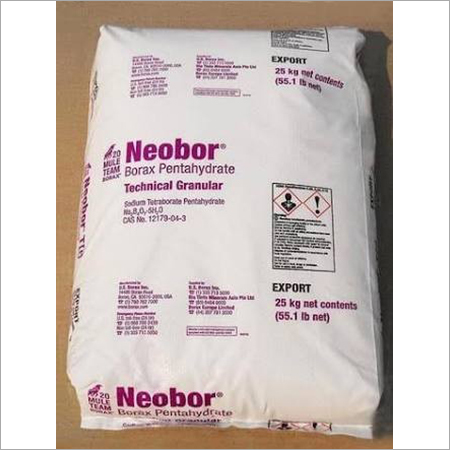
Borax Pentahydrate Neo Bor
Price 65 INR / Kilograms
Minimum Order Quantity : 200 Kilograms
Storage : Other, Store in a cool, dry, and wellventilated area
Physical Form : Other
Solubility : Moderately soluble in water (43 g/L at 20C)
Grade : Technical, Industrial
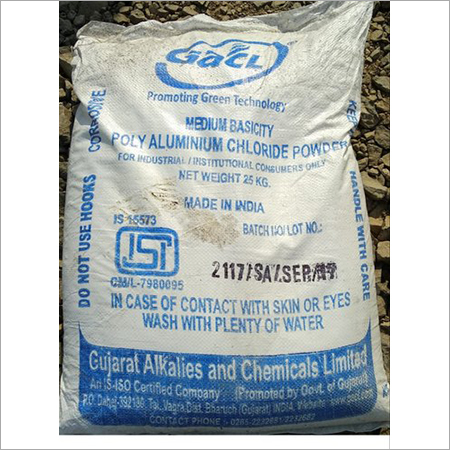
PAC Powder - Poly Aluminium Chloride Powder
Price 28 INR / Kilograms
Minimum Order Quantity : 200 Kilograms
Storage : Other, Store in cool, dry, and ventilated area, away from direct sunlight and moisture
Physical Form : Powder
Solubility : Highly soluble in water
Grade : Industrial Grade
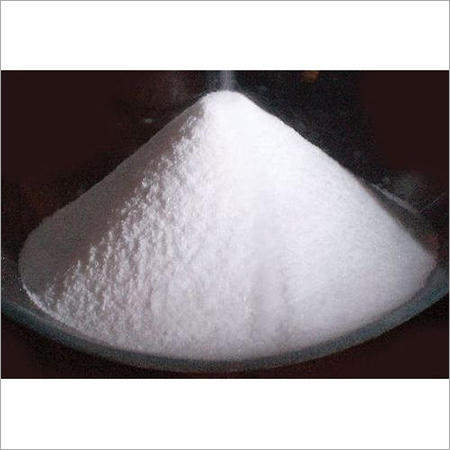
Potassium Chloride
Price 40 INR / Kilograms
Minimum Order Quantity : 200 Kilograms
Storage : Room Temperature
Physical Form : Solid
Solubility : Readily dissolves in water
Grade : Industrial Grade

Light Soda Ash
Price 27 INR / Kilograms
Minimum Order Quantity : 200 Kilograms
Storage : Room Temperature
Physical Form : Powder
Solubility : Highly soluble in water
Grade : Industrial Grade

Contact Details
- 212, K10 GRAND, B/H Atlantis K10, Sarabhai Campus Genda Circle, Alkapuri Road,Vadodara - 390007, Gujarat, India
- Phone : 08045804226
- Mr Sanjay Rupala (Proprietor)
- Mobile : 08045804226
- Send Inquiry
SGS CHEMICALS
GST : 24AVNPR8300A1ZT
GST : 24AVNPR8300A1ZT
 Send Inquiry
|

 Send Inquiry
 Send SMS
SGS CHEMICALS
All Rights Reserved.(Terms of Use)
Developed and Managed by Infocom Network Private Limited.
Developed and Managed by Infocom Network Private Limited.


 English
 Spanish
 French
 German
 Italian
 Chinese (Simplified)
 Japanese
 Korean
 Arabic
 Portuguese