
 Get a Quote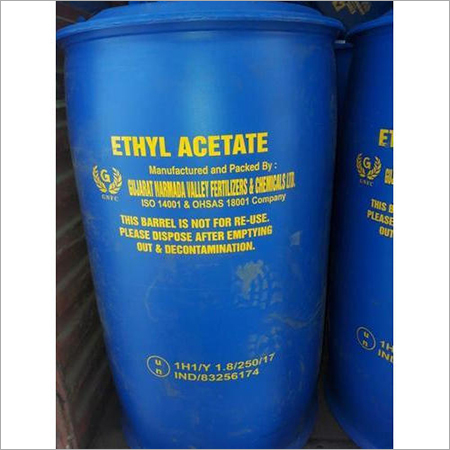

Versatile Solvent for Industrial Applications
Ethyl Acetate is widely used as a solvent in industries ranging from paints and coatings to pharmaceuticals and food processing. Its ability to dissolve a variety of substances efficiently makes it an essential choice for extraction, formulation, and cleaning tasks, enhancing process speed and product quality.
Safe Handling and Storage Recommendations
Due to its volatility and low flash point, Ethyl Acetate should be kept in tightly closed containers in cool, dry, and well-ventilated areas, away from direct sunlight and ignition sources. Following recommended practices ensures a safe workplace and preserves product integrity during its 1-year shelf life.
Eco-Friendly and Responsible Usage
While Ethyl Acetate is readily biodegradable, its flammability means that environmental and health safety protocols are critical. Avoid releasing it into the environment, and use protective gear to minimize exposure. Proper handling supports both workplace safety and environmental stewardship.
FAQs of Ethyl Acetate:
Q: How should Ethyl Acetate be stored to ensure safety and maintain its stability?
A: Store Ethyl Acetate in tightly closed containers, in a cool, dry, and well-ventilated area, keeping it away from direct sunlight, ignition sources, and incompatible materials. Following these guidelines helps maintain its stability and maximizes its 1-year shelf life.Q: What are the primary industrial applications of Ethyl Acetate?
A: Ethyl Acetate is primarily used as a solvent in the manufacturing of paints, coatings, adhesives, inks, pharmaceuticals, and food flavors. It is also valued for its role in extraction processes due to its high volatility and miscibility with many organic compounds.Q: When is Ethyl Acetate considered hazardous, and what precautions should be taken during its handling?
A: Ethyl Acetate is classified as a flammable liquid (Hazard Class 3) with a flash point of -4C, making it hazardous near open flames or heat sources. Always handle with proper ventilation, avoid inhaling vapors, and use appropriate personal protective equipment (PPE).Q: Where can Ethyl Acetate be supplied from, and in what packaging options?
A: Ethyl Acetate can be sourced directly from manufacturers, suppliers, exporters, and traders in India. It is available in bulk quantities, including 180 kg drums, IBC containers, and tanker loads, to suit various industrial requirements.Q: What are the benefits of using Ethyl Acetate in industrial processes?
A: Ethyl Acetate provides fast evaporation rates, excellent solvency for a wide range of materials, and efficient extraction capabilities. Its relatively neutral pH and high purity contribute to improved end-product quality and process efficiency.Q: Is Ethyl Acetate environmentally safe, and what should be done in case of accidental release?
A: Ethyl Acetate is considered readily biodegradable, but its flammability means it should not be allowed to enter waterways or the environment. In case of a spill, ventilate the area, eliminate ignition sources, and use absorbent materials for cleanup, following local regulations for disposal.एथिल एसीटेट
75 आईएनआर/Kilograms
उत्पाद विवरण:
- ईआईएनईसीएस नं 205-500-4
- एच एस कोड 2915 31 00
- सामग्रियां Ethyl Acetate
- गंध
- शेप
- घुलनशीलता Slightly soluble in water; miscible with alcohol, ether, and chloroform.
- शेल्फ लाइफ 1 year under recommended storage conditions.
- अधिक देखने के लिए क्लिक करें
X
एथिल एसीटेट मूल्य और मात्रा
- 200
एथिल एसीटेट उत्पाद की विशेषताएं
- 141-78-6
- Colorless, transparent liquid
- 1.372 at 20°C
- >= 99.5%
- Industrial
- CH3COOC2H5
- ग्राम प्रति घन सेंटीमीटर (g/cm3)
- 88.11 g/mol
- C4H8O2
- Industrial solvent, extraction processes, flavoring additive.
- Neutral (6-8)
- Industrial Grade
- -83.6°C
- Colorless liquid with a characteristic sweet smell; volatile; flammable; miscible with most organic solvents.
- 1 year under recommended storage conditions.
- Slightly soluble in water; miscible with alcohol, ether, and chloroform.
- Ethyl Acetate
- 2915 31 00
- 205-500-4
एथिल एसीटेट व्यापार सूचना
- प्रति दिन
- दिन
उत्पाद वर्णन
विनिर्देश
<केंद्र> <तालिका चौड़ाई = "100%" सेलस्पेसिंग = "0" सेलपैडिंग = "4" बॉर्डर = "1"> < colgroup>
परीक्षण
दृश्य
विनिर्देश
परिणाम
उपस्थिति
ASTM D3545-06
साफ़ करें
साफ़ करें
< मजबूत>एथिल एसीटेट के रूप में शुद्धता
ASTM E1064-12
99.9 मिनट
99.95
जल सामग्री
एएसटीएम डी1209(2011)
500 अधिकतम
<50
रंग अपा में
ASTM डी1613-06
अधिकतम10
< 5
एसिटिक एसिड के रूप में अम्लता
ASTM D3545-06
अधिकतम 100
इथाइल अल्कोहल
--
750 अधिकतम
263
विशिष्ट गुरुत्व 20डिग्री सेल्सियस पर
--
0.890 -0.903
0.9
76.0min
77.2
जिला रेंज-Fbp Deg.C
78.5 अधिकतम
78< /p>
वाष्पीकरण पर अवशेष Mg/100ml
अधिकतम 20
< 10
उत्पाद विवरण<टेबल बॉर्डर='1' सेल्सस्पेसिंग='0' सेलपैडिंग='0' चौड़ाई='100%' स्टाइल='चौड़ाई: 100%; सीमा-पतन: पतन; सीमा: कोई नहीं;">
ब्रांड
GNFC
शुद्धता %
99%
शुद्धता
99.9 %
ग्रेड
तकनीकी
पैकेजिंग विवरण
210 किग्रा
ग्रेड मानक
औद्योगिक ग्रेड
Tell us about your requirement

Price: Â
Quantity
Select Unit
- 50
- 100
- 200
- 250
- 500
- 1000+
Additional detail
मोबाइल number
Email

रासायनिक यौगिक अन्य उत्पाद


सम्पर्क करने का विवरण
- 212, ख10 ग्रैंड, बी/ह अटलांटिस क10, साराभाई कैंपस गेंडा सर्किल, अल्कापुरी रोड,वे जा चुके हैं - 390007, गुजरात, भारत
- फ़ोन : 08045804226
- मर संजय रुपाला (मालिक)
- मोबाइल : 08045804226
- जांच भेजें
एसजीएस रसायन
GST : 24AVNPR8300A1ZT
GST : 24AVNPR8300A1ZT
 जांच भेजें
|

 जांच भेजें
 एसएमएस भेजें
SGS CHEMICALS
सर्वाधिकार सुरक्षित.(उपयोग की शर्तें)
इन्फोकॉम नेटवर्क प्राइवेट लिमिटेड . द्वारा विकसित एवं प्रबंधित
इन्फोकॉम नेटवर्क प्राइवेट लिमिटेड . द्वारा विकसित एवं प्रबंधित


