
 Get a Quote
 Send Inquiry
Di Ethylene Glycol (DEG)
Price 74 INR/ Kilograms
MOQ : 200 Kilograms
Di Ethylene Glycol (DEG) Specification
- Application
- Paints
- Molecular Weight
- 106.12 g/mol GSM (gm/2)
- Structural Formula
- C4H10O3
- Smell
- Sickening
- Physical Form
- Liquid
- Product Type
- Glycol
- Poisonous
- YES
- Taste
- Other
- Appearance
- Transparent
- Storage
- Room Temperature
- Solubility
- Soluble
- Grade
- Technical
- Shelf Life
- 1 Years
- Usage
- Used as a Coolant
- Molecular Formula
- C4H10O3
- Purity
- 99%
- Shape
- other
- CAS No
- 111-46-6
Di Ethylene Glycol (DEG) Trade Information
- Minimum Order Quantity
- 200 Kilograms
- FOB Port
- Nhawa Sheva
- Payment Terms
- Cash in Advance (CID), Cheque
- Supply Ability
- 10000 Kilograms Per Day
- Delivery Time
- 1 Days
- Sample Policy
- Contact us for information regarding our sample policy
- Packaging Details
- 230 Kg Barrel Packing
- Main Export Market(s)
- Asia, Australia, Central America, North America, South America, Eastern Europe, Western Europe, Middle East, Africa
- Main Domestic Market
- , All India, South India, Central India, West India, North India, East India, Gujarat, Karnataka, Kerala, Lakshadweep, Mizoram, Meghalaya, Manipur, Andhra Pradesh, Bihar, Chandigarh, Daman and Diu, Goa, Jharkhand, Odisha, Punjab, Assam, Delhi, Dadra and Nagar Haveli, Andaman and Nicobar Islands, Arunachal Pradesh, Chhattisgarh, Haryana, Himachal Pradesh, Jammu and Kashmir, Madhya Pradesh, Maharashtra, Nagaland, Rajasthan, Sikkim, Tamil Nadu, Telangana, Tripura, Pondicherry, Uttar Pradesh, Uttarakhand, West Bengal
- Certifications
- Msme Certified company, Authorized Dealer of Reliance certificate
Di Ethylene Glycol (DEG) About
DEG stands for Diethylene Glycol, which is a colorless, odorless, and hygroscopic liquid with a sweet taste. It is commonly used as a solvent, a plasticizer, and a humectant in various industrial and commercial applications.RIL likely stands for Reliance Industries Limited, which is a large Indian conglomerate that produces a variety of products, including chemicals, textiles, and petroleum. The product you are referring to may be produced or sold by this company.
| Packaging Size | 50 kg |
| Packaging Type | Drum |
| Synonyms | Dihydroxy diethyl ether,DEG,Ethylene diglycol,Diglycol |
| Usage/Application | Preparation of antifreeze and dyes |
| Solubility in water | Miscible |
| Boiling Point | 244 to 245 DegreeC |
| Melting Point | 13.19 DegreeF |
| Density | 1.118 |
| Color | Colorless |
| Physical State | Liquid |
| Molecular Weight | 106.12 |
| Chemical Formula | C4H10O3 |
| Grade Standard | Industrial Grade |
| Purity % | >99% |
| CAS No | 111-46-6 |
Technical Details 
Versatile Applications in Industry
DEG is valued for its solubility and chemical stability, making it essential for use in paints, coolants, and other industrial processes. Its ability to act as a heat transfer fluid and solvent underpins its demand in the technical sector. Manufacturers, exporters, suppliers, and traders in India rely on DEGs properties for consistent quality and performance in various formulations.
Safe Handling and Storage Guidelines
Given its poisonous nature and sickening odor, DEG must be handled with protective measures. Store the liquid at room temperature in tightly sealed containers, away from incompatible substances. Ensure proper labeling and restricted access to prevent accidental exposure. Disposal should comply with local environmental regulations to safeguard health and the environment.
FAQs of Di Ethylene Glycol ( DEG ):
Q: How is Di Ethylene Glycol (DEG) used in paint applications?
A: DEG serves as a solvent and additive in paints, helping to improve flow properties and ensure even consistency. Its solubility aids in dissolving ingredients during formulation, making it a valuable component for paint manufacturers.Q: What safety precautions should be taken when handling DEG due to its poisonous nature?
A: Always use appropriate personal protective equipment such as gloves and goggles while handling DEG. Work in well-ventilated areas, avoid skin and eye contact, and follow strict containment procedures to minimize the risk of accidental exposure.Q: When should DEG be stored or disposed of to maximize shelf life and safety?
A: DEG should be stored at room temperature in sealed containers, away from direct sunlight and incompatible chemicals. Disposal must follow local hazardous waste regulations to prevent environmental harm, taking action before its shelf life expires after one year.Q: Where is DEG primarily sourced and distributed in India?
A: DEG is widely exported, imported, manufactured, and traded by various suppliers and wholesalers throughout India, catering to industrial needs such as paints and coolant formulations.Q: What benefits does DEG provide when used as a coolant?
A: As a coolant, DEG offers excellent thermal conductivity and solubility, which helps regulate temperature in various systems. Its chemical stability ensures reliable and consistent cooling performance in industrial machinery.Q: How is DEG identified and verified for purity during industrial procurement?
A: DEG is identified by its CAS No: 111-46-6, molecular formula C4H10O3, and transparent appearance. Technical documentation or laboratory analysis verifies its purity, ensuring it meets the stated 99% specification required for industrial applications.
Tell us about your requirement

Price:
Quantity
Select Unit
- 50
- 100
- 200
- 250
- 500
- 1000+
Additional detail
Mobile number
Email

More Products in Chemical Compound Category
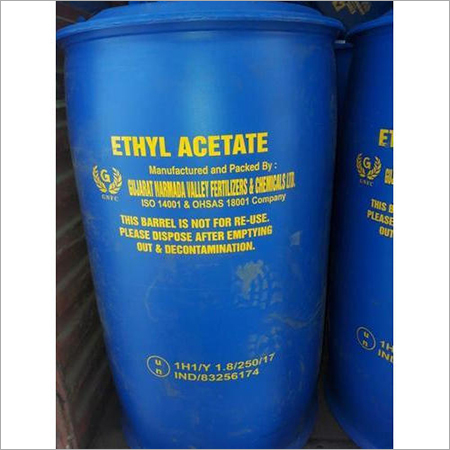
Ethyl Acetate
Price 75 INR / Kilograms
Minimum Order Quantity : 200 Kilograms
Physical Form : Liquid
Application : Other , Used as a solvent in paints, coatings, adhesives, inks, pharmaceuticals, and food industries.
Product Type : Industrial
Storage : Other, Store in tightly closed containers in a cool, dry, wellventilated area away from direct sunlight and ignition sources.
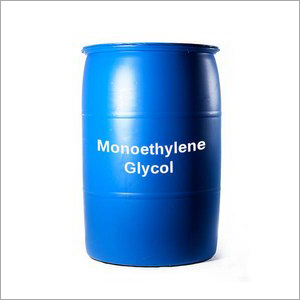
Monoethylene Glycol
Price 60 INR / Kilograms
Minimum Order Quantity : 200 Kilograms
Physical Form : Liquid
Application : Other , Coolant, antifreeze, polyester fiber production, deicing fluid, solvent
Product Type : Industrial Chemical
Storage : Other, Store in tightly sealed container, in a cool, ventilated, dry place away from direct sunlight and strong oxidizing agents
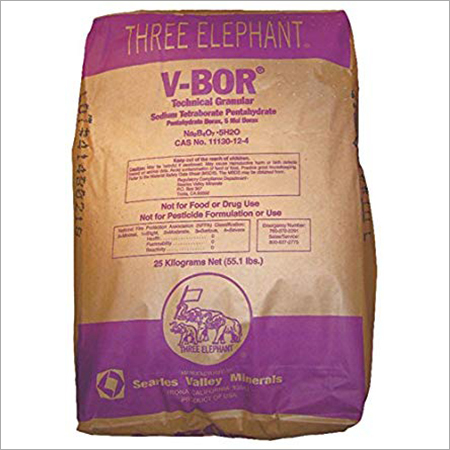
Borex Pentahydrate
Price 81 INR / Kilograms
Minimum Order Quantity : 200 Kilograms
Physical Form : Other
Application : Other , Glass & ceramics; cleaning products; water treatment; fertilizer; metallurgy
Product Type : Chemical
Storage : Other, Store in cool, dry place, tightly sealed
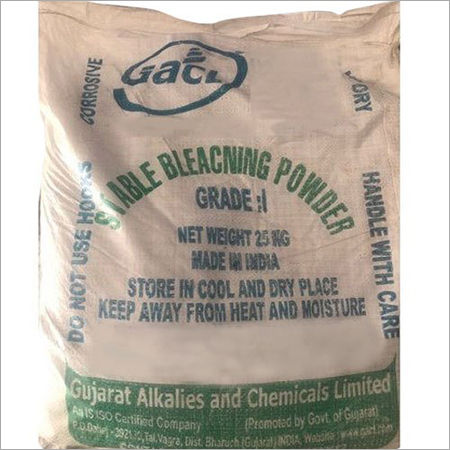
Gacl Stable Bleaching Powder
Price 11 INR / Kilograms
Minimum Order Quantity : 200 Kilograms
Physical Form : Powder
Application : Other , Disinfectant, bleaching agent, water treatment, sanitation, deodorizer
Product Type : Stable Bleaching Powder
Storage : Other, Store in cool, dry and wellventilated place; keep container tightly closed, avoid heat and moisture

Contact Details
- 212, K10 GRAND, B/H Atlantis K10, Sarabhai Campus Genda Circle, Alkapuri Road,Vadodara - 390007, Gujarat, India
- Phone : 08045804226
- Mr Sanjay Rupala (Proprietor)
- Mobile : 08045804226
- Send Inquiry
SGS CHEMICALS
GST : 24AVNPR8300A1ZT
GST : 24AVNPR8300A1ZT
 Send Inquiry
|

 Send Inquiry
 Send SMS
 Call Me Free
SGS CHEMICALS
All Rights Reserved.(Terms of Use)
Developed and Managed by Infocom Network Private Limited.
Developed and Managed by Infocom Network Private Limited.


 English
 Spanish
 French
 German
 Italian
 Chinese (Simplified)
 Japanese
 Korean
 Arabic
 Portuguese