
 Get a Quote

 Send Inquiry
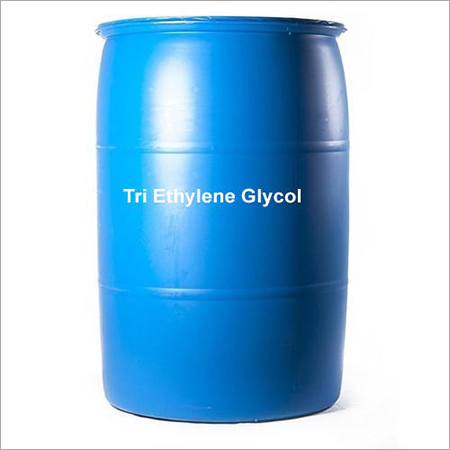
TEG-Tri Ethylene Glycol
MOQ : 200 Kilograms
TEG-Tri Ethylene Glycol Specification
- Shelf Life
- 2 Years
- Taste
- Slightly sweet
- Shape
- Liquid
- Ingredients
- Triethylene glycol
- Grade
- Industrial, Technical
- Usage
- Industrial processes, chemical synthesis, air sanitizers
- Molecular Weight
- 150.17 g/mol Grams (g)
- EINECS No
- 203-953-2
- Purity
- Min 99%
- Structural Formula
- HOCH2CH2OCH2CH2OCH2CH2OH
- Appearance
- Clear, colorless liquid
- Application
- Dehydration of natural gas, solvent, plasticizer, humectant
- CAS No
- 112-27-6
- Solubility
- Miscible with water, alcohol, acetone
- Physical Form
- Liquid
- Ph Level
- Neutral (approx. 7)
- Storage
- Store in tightly closed containers in cool, dry, ventilated area
- Melting Point
- -7 C
- Density
- 1.125 Gram per cubic centimeter(g/cm3)
- Molecular Formula
- C6H14O4
- Smell
- Odorless to mild odor
- Refractive Rate
- 1.448
- Product Type
- Chemical
- HS Code
- 29094900
- Properties
- High boiling, hygroscopic, low volatility, colorless
- Packaging Type
- Drums, IBCs, Bulk
- Manufacturing Method
- Ethylene oxide hydration
- UN Number
- Not regulated
- Viscosity
- 40 cP (at 20C)
- Vapor Pressure
- 0.007 mm Hg (at 25C)
- Auto Ignition Temperature
- 343 C
- Boiling Point
- 285 C
- Frost Sensitivity
- Not sensitive
- Compatibility
- Compatible with most organic solvents
- Flash Point
- 165 C (closed cup)
- Partition Coefficient (Log Pow)
- -1.98
- Hazard Class
- Not classified as hazardous
- Environmental Impact
- Readily biodegradable
TEG-Tri Ethylene Glycol Trade Information
- Minimum Order Quantity
- 200 Kilograms
- Supply Ability
- 10000 Kilograms Per Day
- Delivery Time
- 1 Days
About TEG-Tri Ethylene Glycol
The TEG-tri ethylene glycol is a colorless, viscous liquid with a slight odor. It is non-flammable, mildly toxic, and considered non-hazardous. It is used as a plasticizer for vinyl polymers as well as in the manufacture of air sanitizer and other consumer products. The offered glycol is used in the manufacture of a host of consumer products that include anti-freeze, automotive care products, building and construction materials and many other items. The offered TEG-tri ethylene glycol is very efficient and useful.
Versatile Industrial Applications
Triethylene glycol serves multiple industries, most notably for the dehydration of natural gas, where its hygroscopic properties are essential. Additionally, its solvency, low volatility, and compatibility with many organic compounds make it useful as a plasticizer, solvent, and humectant in manufacturing, chemical synthesis, and even air sanitization.
Safe and Sustainable Chemical
TEG is recognized for its favorable environmental profile, being readily biodegradable and non-hazardous according to global standards. Its neutral pH and non-poisonous nature allow for safe handling, provided it is stored in tightly closed containers in a cool, dry, and well-ventilated place. Shelf life extends up to two years under these conditions.
FAQs of TEG-tri ethylene glycol:
Q: How is triethylene glycol (TEG) manufactured?
A: TEG is produced industrially through the hydration of ethylene oxide, a process that results in a high purity, colorless, and odorless liquid suitable for technical and industrial use.Q: What are the main uses of triethylene glycol?
A: Triethylene glycol is primarily used for natural gas dehydration, as a solvent in chemical synthesis, a plasticizer, humectant, and in air sanitizers due to its ability to retain moisture and absorb impurities.Q: When should I choose TEG over other glycols?
A: TEG is preferred when a high boiling point, low volatility, and a hygroscopic nature are essential, such as in gas dehydration or industrial applications demanding stability and moisture control.Q: Where should triethylene glycol be stored?
A: TEG should be stored in tightly sealed containers placed in cool, dry, and well-ventilated areas to maintain its quality, prevent contamination, and ensure a two-year shelf life.Q: What benefits does TEG offer in industrial processes?
A: TEGs high purity, non-hazardous classification, compatibility with various solvents, and exceptional moisture absorption make it beneficial for safe, efficient, and eco-friendly industrial operations.Q: How safe is triethylene glycol for use and environment?
A: TEG is non-toxic, non-flammable under normal conditions, and not classified as hazardous or regulated for transport. It is also readily biodegradable, minimizing environmental impact.Technical Details 
Tell us about your requirement

Price:
Quantity
Select Unit
- 50
- 100
- 200
- 250
- 500
- 1000+
Additional detail
Mobile number
Email

More Products in Chemical Compound Category
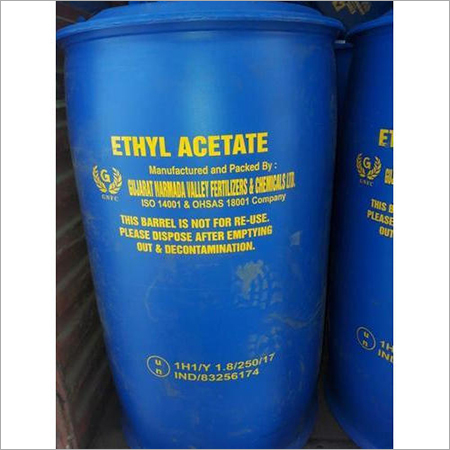
Ethyl Acetate
Price 75 INR / Kilograms
Minimum Order Quantity : 200 Kilograms
Molecular Formula : C4H8O2
Storage : Other, Store in tightly closed containers in a cool, dry, wellventilated area away from direct sunlight and ignition sources.
Physical Form : Liquid
Solubility : Slightly soluble in water; miscible with alcohol, ether, and chloroform.
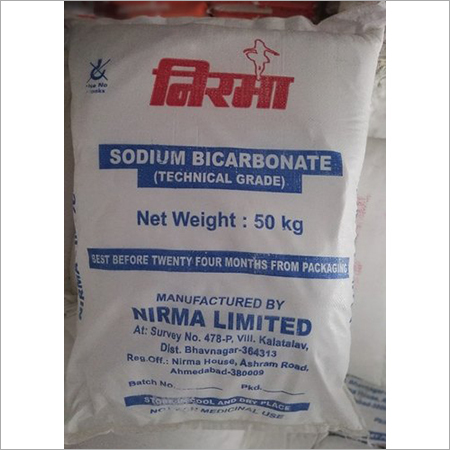
Sodium Bicarbonate
Minimum Order Quantity : 200 Kilograms
Molecular Formula : NaHCO3
Storage : Other, Store in a cool, dry, wellventilated area away from moisture
Physical Form : Powder
Solubility : Water soluble (96 g/L at 20 C)
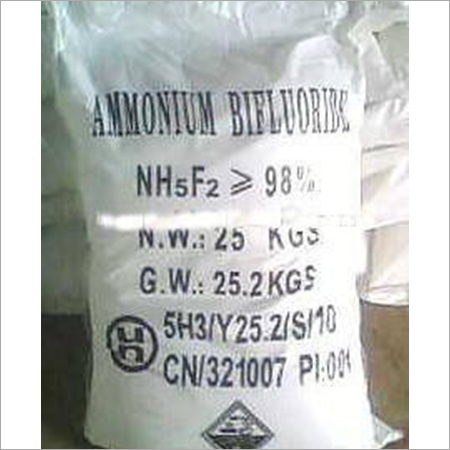
Ammonium Bifluoride 771
Price 98 INR / Kilograms
Minimum Order Quantity : 200 Kilograms
Molecular Formula : NH4HF2
Storage : Other, Store in a cool dry and wellventilated area away from incompatible substances
Physical Form : Other
Solubility : Soluble in water
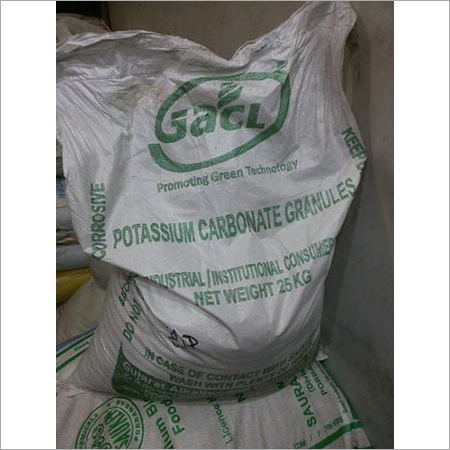
Potassium Carbonate
Molecular Formula : K2CO3
Storage : Room Temperature
Physical Form : Other
Solubility : Easily soluble in water insoluble in ethanol

Contact Details
- 212, K10 GRAND, B/H Atlantis K10, Sarabhai Campus Genda Circle, Alkapuri Road,Vadodara - 390007, Gujarat, India
- Phone : 07971549223
- Mr Sanjay Rupala (Proprietor)
- Mobile : 07971549223
- Send Inquiry
SGS CHEMICALS
GST : 24AVNPR8300A1ZT
GST : 24AVNPR8300A1ZT
 Send Inquiry
|

 Send Inquiry
 Send SMS
 Call Me Free
SGS CHEMICALS
All Rights Reserved.(Terms of Use)
Developed and Managed by Infocom Network Private Limited.
Developed and Managed by Infocom Network Private Limited.


 English
 Spanish
 French
 German
 Italian
 Chinese (Simplified)
 Japanese
 Korean
 Arabic
 Portuguese