
 Get a Quote

 Send Inquiry
Sodium Silicate Glass
Price 20 INR/ Kilograms
MOQ : 200 Kilograms
Sodium Silicate Glass Specification
- Poisonous
- Non-poisonous
- EINECS No
- 215-687-4
- Usage
- Used as a raw material for making liquid sodium silicate, in cements, and as a dispersant
- Physical Form
- Glass Lumps
- Grade
- Industrial Grade
- CAS No
- 1344-09-8
- Shelf Life
- Virtually unlimited if stored properly
- Density
- 2.4 Gram per cubic centimeter(g/cm3)
- Structural Formula
- Na2O·nSiO2
- Melting Point
- 1088°C
- Taste
- Alkaline
- Molecular Weight
- Varies with molar ratio (commonly 184.04 g/mol for ratio 1:3.3)
- Application
- Detergent manufacturing, adhesives, foundry, water treatment, construction, textiles
- Solubility
- Soluble in water, insoluble in alcohol
- Molecular Formula
- Na2O·nSiO2
- Properties
- Excellent adhesive and binding properties, high alkali content, insoluble in alcohol, good chemical stability
- Ph Level
- Highly alkaline in aqueous solution
- Appearance
- Colorless to light bluish glassy solid
- HS Code
- 28391900
- Storage
- Store in a dry, cool, and well-ventilated place
- Smell
- Odorless
- Shape
- Irregular lumps
- Purity
- 99%
- Ingredients
- Sodium Oxide (Na2O), Silicon Dioxide (SiO2)
- Refractive Rate
- 1.52
- Product Type
- Inorganic Compound
- Color
- Transparent to translucent bluish tint
- Packaging Type
- Packed in HDPE bags or drums
- Hazard Class
- Not classified as hazardous
- Compatibility
- Compatible with most inorganic salts and some organic compounds
- Toxicity
- Non-toxic under normal conditions
- Thermal Stability
- Stable under normal temperatures and pressures
Sodium Silicate Glass Trade Information
- Minimum Order Quantity
- 200 Kilograms
- Supply Ability
- 10000 Kilograms Per Day
- Delivery Time
- 1 Days
Sodium Silicate Glass About
Sodium Silicate Glass
Sodium Silicate Glass we deal in is an effective solution of silica. It can be precipitated when added to the strong electrolytes. This is one of the soluble silicates and looks water glass. Basically, this is a colorless and viscous water solution accessible with unique look and chemical properties. Sodium Silicate Glass can be utilized as deflocculant that can reduce the viscosity. It does make a crackle effect in ceramic and has wide industrial applications.
Product details
|
Purity |
99% |
|
Form |
Granules |
|
Usage/Application |
Industrial |
|
Packaging Type |
Bag |
|
Color |
Green |
|
Country of Origin |
Made in India |
Technical Details 
Exceptional Chemical Stability
Sodium Silicate Glass maintains structural integrity and performance under varied environmental conditions, withstanding fluctuations in temperature and pressure. Its insolubility in alcohol and robust stability make it a preferred choice for applications requiring long-lasting, reliable chemical properties.
Versatile Industrial Applications
This compound serves a vital role across multiple industries. From producing detergents and water treatment to construction and textiles, its adhesive and dispersant qualities enable innovative solutions, making it invaluable for manufacturers and exporters.
Efficient Packaging & Storage
Packed in HDPE bags or drums, Sodium Silicate Glass remains protected from moisture and contamination. For optimal preservation, it should be stored in dry, cool, well-ventilated areas, ensuring a virtually unlimited shelf life if handled correctly.
FAQs of Sodium Silicate Glass:
Q: How is Sodium Silicate Glass most commonly used in industrial applications?
A: Sodium Silicate Glass is frequently used as a raw material in detergents, adhesives, foundry processes, cements, and water treatment. Its strong binding properties and solubility in water enable its effectiveness as a dispersant and an adhesive across these industries.Q: What benefits does Sodium Silicate Glass offer in manufacturing?
A: It provides excellent adhesive and binding capabilities, high chemical and thermal stability, and compatibility with most inorganic salts. These attributes contribute to improved product performance and longevity in detergents, cements, and other industrial formulations.Q: Where should Sodium Silicate Glass be stored to maintain its quality?
A: Sodium Silicate Glass should be kept in dry, cool, and well-ventilated locations, ideally in its HDPE packaging. Proper storage prevents moisture absorption and preserves its physical and chemical properties indefinitely.Q: When should Sodium Silicate Glass be used in construction or water treatment?
A: This product is recommended whenever high durability, adhesive strength, and chemical stability are required in construction materials or water treatment processes. Its ability to act as a binder and dispersant enhances the effectiveness of mixtures and compounds.Q: What is the process for handling and packaging Sodium Silicate Glass?
A: Sodium Silicate Glass is packed in HDPE bags or drums to avoid contamination and moisture. During handling, protective measures should focus on keeping the compound dry and undisturbed to ensure extended shelf life and safe transport.Q: Is Sodium Silicate Glass compatible with other chemicals in industrial use?
A: Yes, it is compatible with most inorganic salts and some organic compounds. This compatibility allows it to blend seamlessly into a range of formulations and industrial processes without unwanted chemical reactions.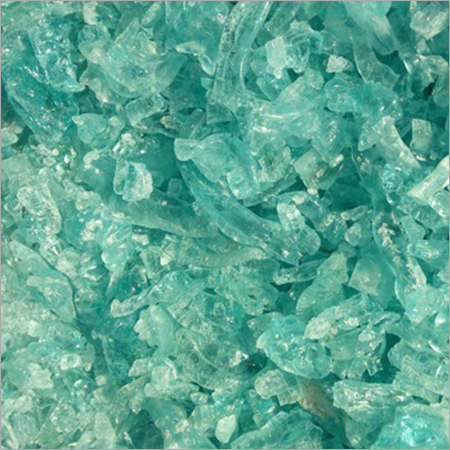
Tell us about your requirement

Price:
Quantity
Select Unit
- 50
- 100
- 200
- 250
- 500
- 1000+
Additional detail
Mobile number
Email

More Products in Chemical Compound Category

STPP Sodium Trippolyphosphate Technical Grade
Price 80 INR / Kilograms
Minimum Order Quantity : 200 Kilograms
Melting Point : >622C
Taste : Other, Tasteless
Application : Other , Water treatment, detergents, ceramics, textile dyeing, leather tanning, food processing
Solubility : Easily soluble in water
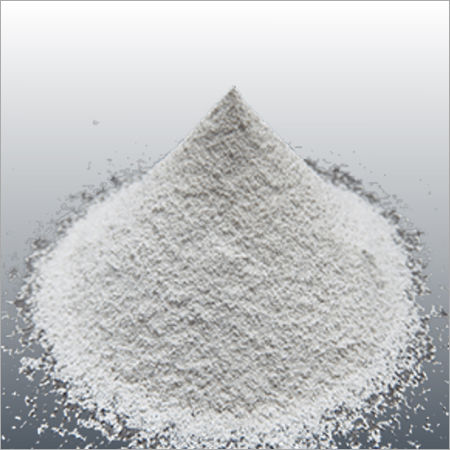
Calcium Chloride Powder
Minimum Order Quantity : 200 Kilograms
Melting Point : 772C
Taste : Salty
Application : Other , Deicing, dust control, concrete accelerator, refrigeration brines, water treatment, desiccant
Solubility : Highly soluble in water
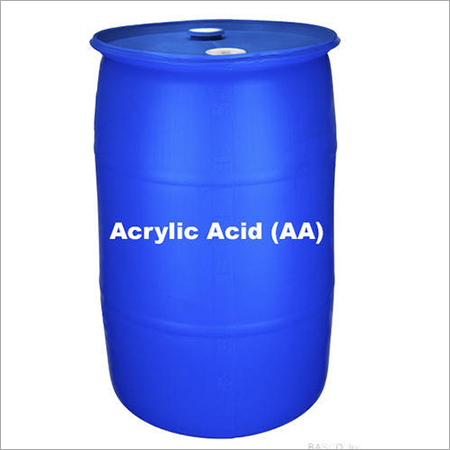
Acrylic Acid
Melting Point : 13 C
Taste : Pungent, Other
Application : Other , Used in the production of polymers adhesives paints and coatings
Solubility : Miscible with water

1000kg Hydrogen Peroxide
Price 30 INR / Kilograms
Minimum Order Quantity : 100 Kilograms
Melting Point : 183C to 185C
Taste : Bitter
Application : Industrial
Solubility : In Water

Contact Details
- 212, K10 GRAND, B/H Atlantis K10, Sarabhai Campus Genda Circle, Alkapuri Road,Vadodara - 390007, Gujarat, India
- Phone : 08045804226
- Mr Sanjay Rupala (Proprietor)
- Mobile : 08045804226
- Send Inquiry
SGS CHEMICALS
GST : 24AVNPR8300A1ZT
GST : 24AVNPR8300A1ZT
 Send Inquiry
|

 Send Inquiry
 Send SMS
 Call Me Free
SGS CHEMICALS
All Rights Reserved.(Terms of Use)
Developed and Managed by Infocom Network Private Limited.
Developed and Managed by Infocom Network Private Limited.


 English
 Spanish
 French
 German
 Italian
 Chinese (Simplified)
 Japanese
 Korean
 Arabic
 Portuguese