
 Get a Quote
 Send Inquiry
Monoethylene Glycol
Price 60 INR/ Kilograms
MOQ : 200 Kilograms
Monoethylene Glycol Specification
- Grade
- Industrial Grade
- Purity
- 99.9%
- Ingredients
- Monoethylene glycol
- Storage
- Store in tightly sealed container, in a cool, ventilated, dry place away from direct sunlight and strong oxidizing agents
- Melting Point
- -13 C
- Shape
- Liquid, non-crystalline
- Refractive Rate
- 1.4311.433
- Density
- 1.115 Gram per cubic centimeter(g/cm3)
- Molecular Formula
- C2H6O2
- Application
- Coolant, antifreeze, polyester fiber production, de-icing fluid, solvent
- CAS No
- 107-21-1
- EINECS No
- 203-473-3
- Structural Formula
- HOCH2CH2OH
- Smell
- Odorless or faintly sweet
- HS Code
- 29053100
- Product Type
- Industrial Chemical
- Solubility
- Miscible with water, alcohol, acetone
- Physical Form
- Liquid
- Usage
- Industrial manufacturing, chemical intermediate, heat transfer fluids
- Shelf Life
- 2 years under recommended storage conditions
- Appearance
- Clear, colorless liquid
- Molecular Weight
- 62.07 g/mol
- Properties
- Clear, odorless, hygroscopic, miscible with water, moderately viscous at room temperature
- Taste
- Sweet
- Ph Level
- 6.0 7.5 (20C)
- Compatibility
- Incompatible with strong acids, strong bases, strong oxidizing agents
- Biodegradability
- Readily biodegradable
- Transport Information
- UN Number 1188
- Boiling Point
- 197.6 C
- Critical Temperature
- +327 C
- Viscosity
- 16.1 mPas at 25C
- Packing Group
- III
- Hazard Class
- Class 6.1 (Toxic substances)
- Vapor Pressure
- 0.06 mmHg at 20C
- Surface Tension
- 48 mN/m at 25C
- Ecotoxicity
- Harmful to aquatic life with long lasting effects
- Flash Point
- 111 C (closed cup)
Monoethylene Glycol Trade Information
- Minimum Order Quantity
- 200 Kilograms
- Supply Ability
- 10000 Kilograms Per Day
- Delivery Time
- 1 Days
About Monoethylene Glycol
Specification
|
Parameters |
Test Method |
UOM |
Specification |
Test Result |
|
Appearance |
ASTM D4176 |
-- |
Clear, Colourless liq. |
Clear, Colourless liq. |
|
Suspended matter |
ASTM D4176 |
-- |
Nil |
Nil |
|
Water |
ASTM E203 |
Wt % |
0.050 Max. |
0.015 |
|
MEG |
ASTM E2409 |
Wt % |
99.80 Min. |
99.983 |
|
DEG |
ASTM E2409 |
Wt % |
0.080 Max. |
|
|
Specific Gravity at20/20 Deg C |
ASTM D4052 |
-- |
1.1151-1.1156 |
1.1155 |
|
Distillation Range 5%Vol |
ASTM D1078 |
Deg C |
196.00 Min. |
169.7 |
|
Distillation Range 95%Vol) |
ASTM D1078 |
Deg C |
199.00 Max. |
197.1 |
|
UV transmittance at 220nm |
ASTM E2193 |
% |
70.0 Min. |
79.9 |
|
UV transmittance at 275nm |
ASTM E2193 |
% |
95.0 Min. |
95.6 |
|
UV transmittance at350nm |
ASTM E2193 |
% |
99.0 Min. |
99.3 |
|
Acidity As Acetic Acid |
ASTM D1613 |
Mg/kg |
10.0 Max |
.9.0 |
|
Aldehyde as CH3CHO |
ASTM E2313 |
Mg/kg |
10.0 Max |
3.5 |
|
Iran As Fe |
ASTM E394 |
Mg/kg |
0.10 Max. |
0.09 |
|
Odour |
In House Odour |
-- |
Mild |
Mild |
|
Colour ( pt-Co ) |
ASTM D1209 |
-- |
5 Max. |
4 |
|
Chloride as Cl |
ASTM E2469 |
Mg/kg |
0.20 Max. |
0.06 |
PCKING: 230 kgs HDPE Drums
Versatile Industrial Applications
Monoethylene glycol serves vital roles across diverse industries. Its primary uses include coolant and antifreeze production, polyester fiber manufacturing, and de-icing fluid formulations. As a chemical intermediate, MEG is integral in synthesizing polymers and resins, making it a staple in chemical and textile industries.
Safe Handling and Storage
Proper handling and storage of monoethylene glycol are essential due to its toxicity and incompatibility with strong acids, bases, and oxidizers. The product should be stored in tightly sealed containers, away from direct sunlight, in a cool, dry, and ventilated area. Adherence to recommended storage conditions ensures a shelf life of up to two years.
Environmental Impact and Biodegradability
Monoethylene glycol is classified as readily biodegradable, with low potential for bioaccumulation. However, it poses a hazard to aquatic life and requires responsible management to prevent environmental contamination. Adopting best practices in storage, transport, and disposal helps minimize ecological harm.
FAQs of monoethylene glycol:
Q: How should monoethylene glycol be safely stored and handled?
A: Monoethylene glycol must be stored in tightly sealed containers placed in cool, dry, and well-ventilated areas, away from direct sunlight. It should be kept separate from strong acids, bases, and oxidizing agents. Proper personal protective equipment, such as gloves and eye protection, is recommended during handling to prevent accidental exposure.Q: What are the primary industrial applications of monoethylene glycol?
A: Monoethylene glycol is widely used as a coolant and antifreeze, in the production of polyester fibers, de-icing fluids, heat transfer fluids, solvents, and as a key chemical intermediate in resin and polymer manufacturing. It is also utilized in various industrial processes due to its miscibility and hygroscopic nature.Q: When does monoethylene glycol degrade, and is it environmentally safe?
A: Monoethylene glycol is readily biodegradable under standard environmental conditions. While it has low bioaccumulation potential, it is harmful to aquatic life if released in significant quantities and requires proper waste management to avoid environmental contamination.Q: Where can monoethylene glycol be transported, and what are its transport safety requirements?
A: Monoethylene glycol is classified as a toxic substance (Hazard Class 6.1) under UN Number 1188 and Packing Group III. It can be transported internationally according to these designations, provided it is securely packaged and handled by trained personnel to prevent accidents or spillage.Q: How does monoethylene glycol benefit industrial manufacturing processes?
A: Monoethylene glycol acts as a highly effective coolant due to its thermal properties and low freezing point. Its excellent solvency and hygroscopic characteristics make it an invaluable ingredient in chemical synthesis, polyester fiber production, and as a de-icing agent.Q: What is the process for using monoethylene glycol as a coolant?
A: To use monoethylene glycol as a coolant, it is typically blended with water to achieve the desired freezing and boiling point for a specific application. This mixture is circulated through engines or industrial systems to absorb and dissipate heat efficiently, helping protect equipment from extreme temperatures.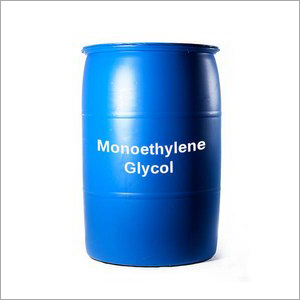
Tell us about your requirement

Price:
Quantity
Select Unit
- 50
- 100
- 200
- 250
- 500
- 1000+
Additional detail
Mobile number
Email

More Products in Chemical Compound Category
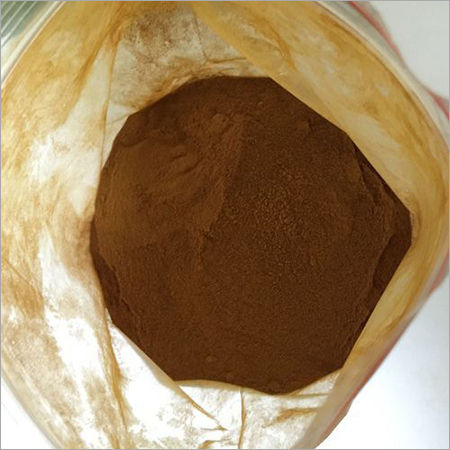
China Sodium Lignosulphonate 660
Price 35 INR / Kilograms
Minimum Order Quantity : 200 Kilograms
Application : Other , Concrete admixture, animal feed additive, dye dispersant, ceramics
Storage : Other, Store in a dry and ventilated warehouse, avoid moisture
Grade : Industrial Grade
Purity : Min 92%
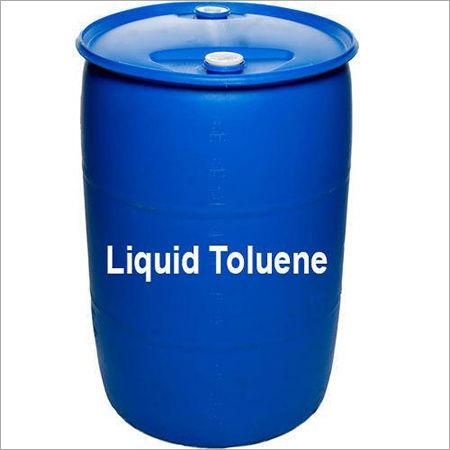
Liquid Toluene Chemical
Minimum Order Quantity : 200 Kilograms
Application : Other , Solvent in paints, coatings, adhesives, inks, chemicals manufacturing
Storage : Other, Store in tightly closed containers, in a cool, dry, wellventilated area away from sources of ignition
Grade : Industrial Grade
Purity : 99.5% Min
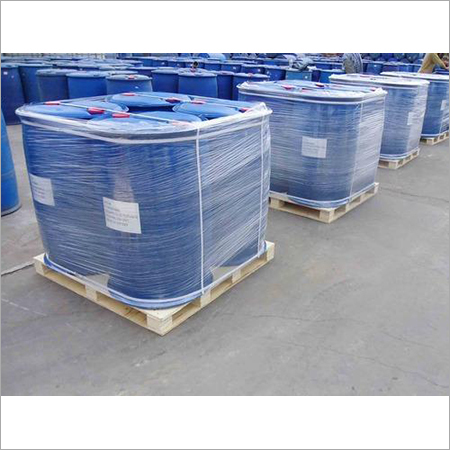
Liquid Poly Aluminum Chloride
Price 13 INR / Kilograms
Minimum Order Quantity : 200 Kilograms
Application : Other , Water treatment, sewage treatment, industrial effluent treatment, paper making
Storage : Other, Store in cool, dry, and ventilated area, protect from direct sunlight
Grade : Industrial Grade
Purity : 28% 32%
Potassium Chloride
Price 40 INR / Kilograms
Minimum Order Quantity : 200 Kilograms
Application : Industrial
Storage : Room Temperature
Grade : Industrial Grade
Purity : 99%

Contact Details
- 212, K10 GRAND, B/H Atlantis K10, Sarabhai Campus Genda Circle, Alkapuri Road,Vadodara - 390007, Gujarat, India
- Phone : 07971549223
- Mr Sanjay Rupala (Proprietor)
- Mobile : 07971549223
- Send Inquiry
SGS CHEMICALS
GST : 24AVNPR8300A1ZT
GST : 24AVNPR8300A1ZT
 Send Inquiry
|

 Send Inquiry
 Send SMS
 Call Me Free
SGS CHEMICALS
All Rights Reserved.(Terms of Use)
Developed and Managed by Infocom Network Private Limited.
Developed and Managed by Infocom Network Private Limited.


 English
 Spanish
 French
 German
 Italian
 Chinese (Simplified)
 Japanese
 Korean
 Arabic
 Portuguese