
 Get a Quote
 Send Inquiry
Copper Sulphate
Price 210 INR/ Kilograms
MOQ : 200 Kilograms
Copper Sulphate Specification
- Properties
- Blue crystalline powder, soluble in water, hygroscopic
- Storage
- Store in cool, dry, well-ventilated area; tightly closed packaging
- Appearance
- Blue crystalline powder
- Application
- Agriculture, Laboratory, Electroplating, Fungicide
- Ingredients
- Copper(II) Sulphate Pentahydrate
- Product Type
- Inorganic Salt
- Density
- 2.284 Gram per cubic centimeter(g/cm3)
- Structural Formula
- CuSO4·5H2O
- Grade
- Technical, Industrial, Analytical
- Solubility
- 31.6 g/100ml (water at 20°C)
- Melting Point
- 110°C (decomposes)
- Usage
- Used as algaecide, fungicide, analytical reagent, feed additive
- Shelf Life
- 24 Months
- CAS No
- 7758-99-8
- Taste
- Metallic, Astringent
- Smell
- Odorless
- Molecular Formula
- CuSO4·5H2O
- Molecular Weight
- 249.68 g/mol Grams (g)
- EINECS No
- 231-847-6
- Physical Form
- Powder
- Purity
- 99% min
- Ph Level
- Acidic (pH 4.0-4.6 in 0.1M solution)
- HS Code
- 28332500
- Shape
- Crystalline / Powder
- Color
- Blue
- Boiling Point
- Decomposes before boiling
- Stability
- Stable under normal conditions
- Moisture Content
- <0.5%
- Ionic Nature
- Ionic compound
- UN Number
- UN3077
- Particle Size
- Fine powder, passes through 72 mesh
- Thermal Decomposition
- Releases SO2 and water vapor
- Packaging
- 25/50 kg HDPE bags with inner liner or as per requirement
- Hazard Class
- 9 (Miscellaneous Dangerous Substances)
Copper Sulphate Trade Information
- Minimum Order Quantity
- 200 Kilograms
- Supply Ability
- 10000 Kilograms Per Day
- Delivery Time
- 1 Days
Copper Sulphate About
Specification
| Test Parameter | Specification | Result |
| Copper % | 24.5% MIN | 24.6% |
| Substanceinsoluble In Water | 0.2% MAX | 0.1% MAX |
| Iron (Fe) | 100PPM MAX | 100PPM |
| Zinc (Zn | 25PPM MAX | 20PPM |
| Lead (Pb) | 50PPM MAX | 30PPM |
| Nickel (Ni) | 5PPM MAX | NIL |
| Chromium (Cr) | 5 PPM MAX | NIL |
| Arsenic (As) | 3PPM MAX | 2PPM |
| Cadmium (Cd) | 3PPM MAX | NIL |
| Moisture Content | 2% MAX | 2% |
PCKING: 50 kgs bag packing
Product details
| Color | Blue |
| Grade Standard | Reagent Grade |
| Application | Laboratory Use |
| Purity | 99% |
| Brand | SGS |
| Physical State | Crystals |
Technical Details
Product Features and Physical Properties
Copper Sulphate is supplied as a blue crystalline powder with excellent solubility in water, passing through a 72-mesh sieve to ensure fine particle size. It is odorless, exhibits an astringent metallic taste, and presents an acidic pH in aqueous solution. Its hygroscopic nature requires proper storage to maintain quality. The product is hazardous (Class 9) and toxic if ingested, underlining the importance of safe handling.
Versatile Industrial and Agricultural Applications
This compound is widely used in agriculture as a fungicide, algaecide, and feed additive. Additionally, laboratories employ it as an analytical reagent, while the electroplating industry utilizes its ionic nature for copper deposition. Its stable formulation and high purity make it suitable for a variety of technical and industrial processes, supporting diverse commercial needs.
Safe Storage and Packaging Solutions
Copper Sulphate should be stored in cool, dry, well-ventilated locations. The packaging25/50 kg HDPE bags with inner linersensures product integrity by preventing moisture ingress, given its shelf life of 24 months. The packaging can also be customized according to specific requirements, making it adaptable for different scales of use and distribution.
FAQs of Copper Sulphate:
Q: How should Copper Sulphate be stored to maintain its quality?
A: Copper Sulphate must be kept in tightly closed packaging in a cool, dry, and well-ventilated area. This prevents it from absorbing moisture due to its hygroscopic nature and ensures stability for up to 24 months.Q: What are the primary uses of Copper Sulphate in industry and agriculture?
A: Copper Sulphate serves as a fungicide, algaecide, and feed additive in agriculture. It is also used as an analytical reagent in laboratories and as a key component for copper electroplating processes in industry.Q: When does Copper Sulphate decompose, and what are the byproducts?
A: Copper Sulphate decomposes before boiling and begins to break down at around 110C. The thermal decomposition releases sulfur dioxide (SO2) gas and water vapor.Q: Where can Copper Sulphate be effectively applied for best results?
A: Copper Sulphate can be utilized in crop fields for fungal control, aquatic settings to manage algae, laboratory environments for analytical applications, and industrial facilities for electroplating operations.Q: What is the recommended process for handling Copper Sulphate safely?
A: Safety measures include using protective gloves and eyewear, avoiding ingestion or inhalation, and storing the chemical away from incompatible substances. It is classified as Hazard Class 9 and toxic if ingested, so strict adherence to safety protocols is essential.Q: How does Copper Sulphate benefit as a technical and industrial chemical?
A: Its high purity, excellent solubility, and stable crystalline form enable reliable performance across technical, analytical, and industrial applications. Its ionic properties are especially valuable in electrochemical processes like electroplating.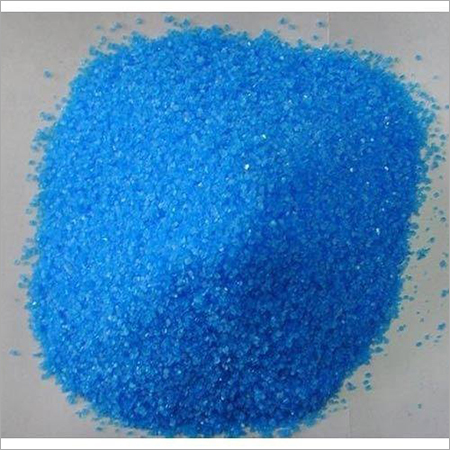
Tell us about your requirement

Price:
Quantity
Select Unit
- 50
- 100
- 200
- 250
- 500
- 1000+
Additional detail
Mobile number
Email

More Products in Chemical Compound Category
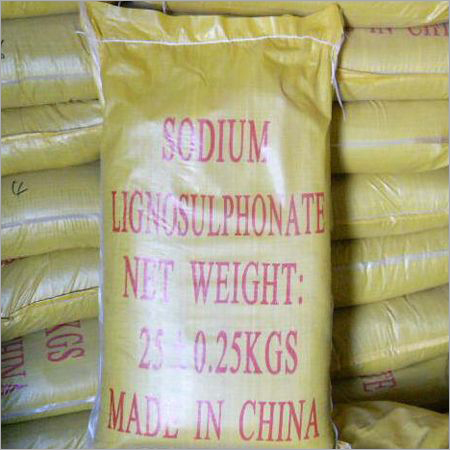
Sodium Lignosulphonate China Bag Packing
Price 35 INR / Kilograms
Minimum Order Quantity : 200 Kilograms
Purity : 92% min
Physical Form : Powder
Smell : Other, Mild odor
Taste : Other, Characteristic
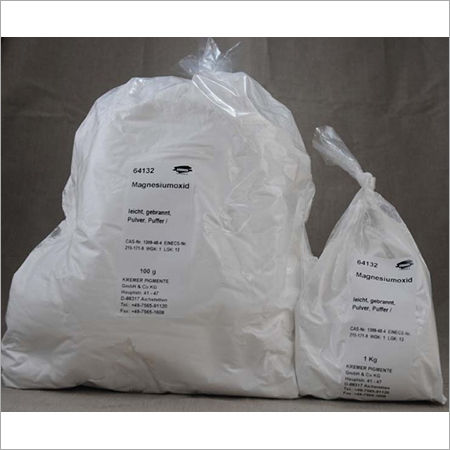
Magnesium Oxide Powder
Purity : 99% or higher depending on grade
Physical Form : Other
Smell : Other, Odorless
Taste : Other, Tasteless
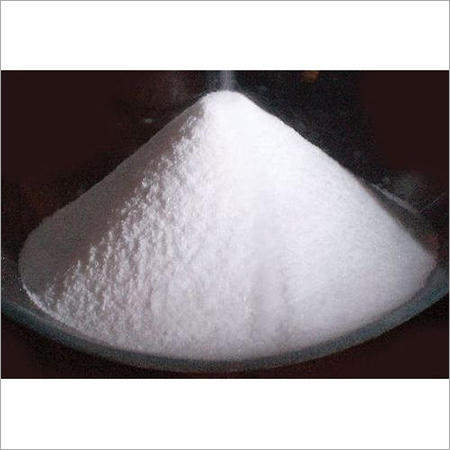
Potassium Chloride
Price 40 INR / Kilograms
Minimum Order Quantity : 200 Kilograms
Purity : 99%
Physical Form : Solid
Smell : Other, Odorless
Taste : Salty

1000kg Hydrogen Peroxide
Price 30 INR / Kilograms
Minimum Order Quantity : 100 Kilograms
Purity : 50%
Physical Form : Liquid
Smell : Stimulus
Taste : Bitter

Contact Details
- 212, K10 GRAND, B/H Atlantis K10, Sarabhai Campus Genda Circle, Alkapuri Road,Vadodara - 390007, Gujarat, India
- Phone : 08045804226
- Mr Sanjay Rupala (Proprietor)
- Mobile : 08045804226
- Send Inquiry
SGS CHEMICALS
GST : 24AVNPR8300A1ZT
GST : 24AVNPR8300A1ZT
 Send Inquiry
|

 Send Inquiry
 Send SMS
SGS CHEMICALS
All Rights Reserved.(Terms of Use)
Developed and Managed by Infocom Network Private Limited.
Developed and Managed by Infocom Network Private Limited.


 English
 Spanish
 French
 German
 Italian
 Chinese (Simplified)
 Japanese
 Korean
 Arabic
 Portuguese