
 Get a Quote
 Send Inquiry
Copper Sulfate Pentahydrate
Price 210 INR/ Kilograms
MOQ : 200 Kilograms
Copper Sulfate Pentahydrate Specification
- Smell
- Odorless
- Storage
- Store in cool,dry,ventilated area; keep container tightly closed
- Molecular Weight
- 249.68 g/mol
- Usage
- Used in agriculture as nutrient & fungicide, in electroplating, as reagent
- HS Code
- 28332500
- Poisonous
- YES
- Shelf Life
- 2 years if stored properly
- Molecular Formula
- CuSO45H2O
- Physical Form
- Crystalline
- Ph Level
- Acidic (pH ~4 in 5% solution)
- EINECS No
- 231-847-6
- Shape
- Granules/Crystalline
- CAS No
- 7758-99-8
- Refractive Rate
- 1.514
- Properties
- Soluble in water; Blue crystals; Efflorescent in dry air; Decomposes on heating
- Solubility
- Easily soluble in water, glycerol; slightly soluble in alcohol
- Taste
- Astringent and metallic
- Structural Formula
- CuSO45H2O
- Purity
- 98%
- Grade
- Industrial, Technical, Agricultural, Reagent
- Density
- 2.284 Gram per cubic centimeter(g/cm3)
- Product Type
- Inorganic Salt
- Melting Point
- 110C (dehydrates); decomposes above 150C
- Application
- Agriculture, Fungicide, Algaecide, Chemical reagent, Electroplating, Textile, Leather
- Ingredients
- Copper, Sulfate, Water
- Appearance
- Blue Crystals
- Oxidizing Properties
- Non-oxidizing
- Boiling Point
- Decomposes before boiling
- Stability
- Stable under recommended conditions
- Flash Point
- Non-flammable
- Compatibility
- Incompatible with strong reducing agents, bases, finely powdered metals
- UN Number
- UN 3077
- Vapor Pressure
- Negligible
- Ecological Information
- Toxic to aquatic life
- Ionicity (in Water)
- Dissociates to Cu2+ and SO4^2- ions
- Hazard Class
- 9 (Miscellaneous dangerous substances)
- Moisture Content
- 0.2%
- Transport Information
- Transport according to local and international regulations
- Packing Group
- III
Copper Sulfate Pentahydrate Trade Information
- Minimum Order Quantity
- 200 Kilograms
- Supply Ability
- 10000 Kilograms Per Day
- Delivery Time
- 1 Days
Copper Sulfate Pentahydrate About
Copper Sulfate Pentahydrate
Copper Sulfate Pentahydrate is a sulfate saline form of copper. This is a potent emetic that is utilized as an antidote for phosphorus poisoning. It can be utilized to prevent the development of algae. It is toxic, odorless and non-combustible in nature. Offered is a crystalline powder accessible with nauseating metallic taste. When dehydrated it turns into white. It has a polymeric structure. Copper sulfate pentahydrate is mainly applicable as a fungicide.
Versatile Applications in Multiple Industries
Copper Sulfate Pentahydrate serves a crucial role in agriculture as both a nutrient and fungicide, enhances electroplating processes, and is a key chemical reagent in laboratories. Its uses also span textile and leather industries for dyeing and treatment. Its blue crystals are favored for consistency, quality, and efficiency across diverse applications, making it a valuable resource for industrial, technical, agricultural, and reagent grades.
Safe Storage and Handling Guidelines
For optimal stability and shelf life, Copper Sulfate Pentahydrate must be stored in a cool, dry, and well-ventilated area. Containers should remain tightly sealed to prevent moisture ingress and loss of product integrity. Proper storage minimizes hazardous exposure and maintains the effectiveness of the compound for up to two years.
Environmental and Safety Considerations
The compound is classified under UN 3077 as a hazardous material due to its toxicity to aquatic life and other potential risks. While non-flammable and non-oxidizing, it is poisonous if ingested and should not be handled with incompatible substances, such as strong reducing agents or bases. Responsible disposal and transport according to regulations are essential to prevent environmental contamination.
FAQs of Copper Sulfate Pentahydrate:
Q: How can Copper Sulfate Pentahydrate be safely stored and handled?
A: Store the product in a cool, dry, and ventilated area, ensuring containers are tightly closed to prevent moisture absorption. Avoid contact with incompatible substances like strong reducing agents, bases, and finely powdered metals. Follow local safety protocols during handling and usage.Q: What are the main industrial and agricultural applications of Copper Sulfate Pentahydrate?
A: Copper Sulfate Pentahydrate is widely used in agriculture as a fungicide and nutrient, in electroplating, as a laboratory reagent, and in textile and leather processing. Its versatility supports crop protection, chemical synthesis, metal finishing, and industrial manufacturing.Q: When should Copper Sulfate Pentahydrate be avoided in processes?
A: It should be avoided when working with strong reducing agents, bases, or finely powdered metals, as these materials can react adversely with the compound. Always check chemical compatibility before introducing it into any new process.Q: Where does Copper Sulfate Pentahydrate show environmental risks, and what precautions are needed?
A: This substance is toxic to aquatic life, posing risks to water bodies and ecosystems. Prevent environmental release by following local disposal regulations and ensure storage facilities prevent spills or leaks into soil or wastewater.Q: What is the process for using Copper Sulfate Pentahydrate in agriculture?
A: In agriculture, Copper Sulfate Pentahydrate is dissolved in water to create a solution used for controlling fungal diseases and supplying copper nutrients to crops. Dosage and application methods depend on the specific crop and condition, ensuring effectiveness and safety.Q: How does using Copper Sulfate Pentahydrate benefit industrial or laboratory operations?
A: Its high purity and strong solubility make it ideal for precise chemical reactions, consistent electroplating, and effective agricultural treatments. Reliable stability and ease of handling contribute to improved outcomes and operational efficiency.Q: What transport regulations apply to Copper Sulfate Pentahydrate?
A: It should be transported according to local and international requirements (UN 3077, Hazard Class 9, Packing Group III). Ensure proper packaging and correct labeling to comply with safety and environmental standards during transit.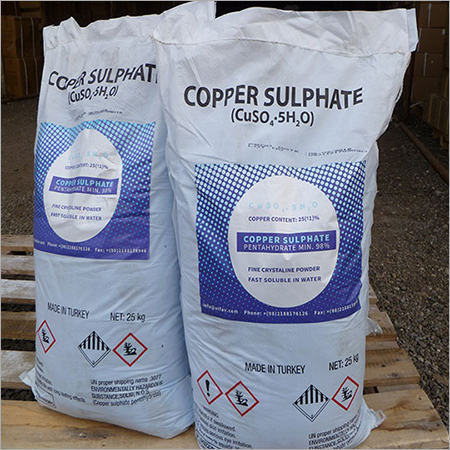
Tell us about your requirement

Price:
Quantity
Select Unit
- 50
- 100
- 200
- 250
- 500
- 1000+
Additional detail
Mobile number
Email

More Products in Chemical Compound Category
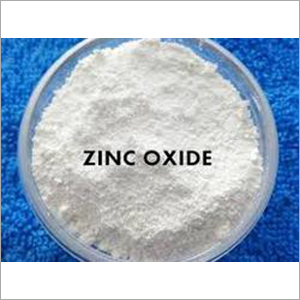
Zinc Oxide White Seal Ceramic Grade
Price 210 INR / Kilograms
Minimum Order Quantity : 200 Kilograms
Storage : Other, Store in cool, dry place, keep container tightly closed
Physical Form : Powder
Shelf Life : 24 Months
Solubility : Insoluble in water, soluble in acids and alkalis
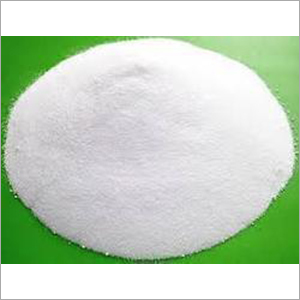
Zinc Sulfate Monohydrate USP
Price 74 INR / Kilograms
Minimum Order Quantity : 200 Kilograms
Storage : Other, Keep tightly closed in a cool, dry place
Physical Form : Powder
Shelf Life : 5 years in unopened original packaging Years
Solubility : Soluble in water
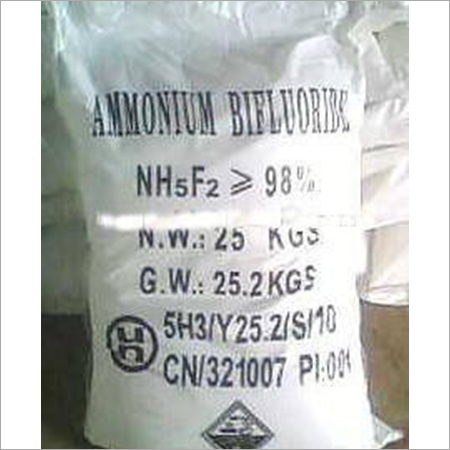
Ammonium Bifluoride 771
Price 98 INR / Kilograms
Minimum Order Quantity : 200 Kilograms
Storage : Other, Store in a cool dry and wellventilated area away from incompatible substances
Physical Form : Other
Shelf Life : 12 months if stored properly Months
Solubility : Soluble in water
Acrylic Acid
Storage : Other, Store in a cool dry and wellventilated area away from sources of ignition and acids or oxidizing agents
Physical Form : Liquid
Shelf Life : 12 months under proper storage conditions
Solubility : Miscible with water

Contact Details
- 212, K10 GRAND, B/H Atlantis K10, Sarabhai Campus Genda Circle, Alkapuri Road,Vadodara - 390007, Gujarat, India
- Phone : 08045804226
- Mr Sanjay Rupala (Proprietor)
- Mobile : 08045804226
- Send Inquiry
SGS CHEMICALS
GST : 24AVNPR8300A1ZT
GST : 24AVNPR8300A1ZT
 Send Inquiry
|

 Send Inquiry
 Send SMS
 Call Me Free
SGS CHEMICALS
All Rights Reserved.(Terms of Use)
Developed and Managed by Infocom Network Private Limited.
Developed and Managed by Infocom Network Private Limited.


 English
 Spanish
 French
 German
 Italian
 Chinese (Simplified)
 Japanese
 Korean
 Arabic
 Portuguese